
116 Teams, 150 Matches, Zero Statistics: The Empty Column Beside a Student Volleyball Title in Vietnam
**মূল উত্তর (৫৫ শব্দ):** দা নাং ইউনিভার্সিটি অফ ফিজিক্যাল এডুকেশন অ্যান্ড স্পোর্টস ২০২৬ সালের ভিয়েতনাম ছাত্র Volleyball চ্যাম্পিয়নশিপে শিরোপা রক্ষা করেছে, ফাইনালে হ্যানয়ের জাতীয় বিশ্ববিদ্যালয়কে ২-০ হারিয়ে। তবে প্রতিবেদনে কোনো র্যালি-লেভেল Statistics নেই, আর ২০২৩ থেকে ২০২৬ পর্যন্ত তিন বছরের ব্যবধান টানা রক্ষার দাবিটিকে প্রশ্নবিদ্ধ করে। **মূল তথ্য:** - আসরে ১১৬ দল, ১৫০ ম্যাচ এবং শেষপর্বে ১৬ দল — ভিয়েতনামের ছাত্র Volleyballে রেকর্ড স্কেল। - গ্রুপ পর্বে হ্যানয়ের কাছে ১-২ হারে দা নাং; ফাইনালে একই দলকে ২-০ হারায়। - অধিনায়ক হো থি কিম দাং আউটসাইড হিটার, তৃতীয় বর্ষের ছাত্রী, পরিকল্পনা স্নাতক শেষে শিক্ষক হওয়া। - স্পাইক সাকসেস রেট, ব্লক পার সেট ও পারফেক্ট-পাস রেট — তিনটিই প্রতিবেদনে অনুপস্থিত। - একমাত্র নামধারী সূত্র Coach লে হুই হা ও খেলোয়াড় কিম দাং; কোনো স্বাধীন Statistics নেই। **সূত্র উল্লেখ:** মূল সূত্র — ভিয়েতনামের ছাত্র Volleyball চ্যাম্পিয়নশিপ ২০২৬ (হাইফং) নিয়ে প্রকাশিত সংবাদ প্রতিবেদন; প্রতিবেদনে প্রকাশের নির্দিষ্ট তারিখ উল্লেখ নেই। Volleyball-তথ্য CricSultan ডেটাবেসে ক্রস-চেক করা যায়নি, কারণ ডেটাবেসটি ক্রিকেট-কেন্দ্রিক। **সম্ভাব্য অনুসরণীয় প্রশ্নোত্তর:** প্রশ্ন: দা নাং বিশ্ববিদ্যালয় কি পেশাদার ভিয়েতনাম Volleyball চ্যাম্পিয়নশিপ জিতেছে? উত্তর: না, এটি ছাত্র ও বিশ্ববিদ্যালয় পর্যায়ের আলাদা আসর, পেশাদার League নয়। প্রশ্ন: ২০২৩ থেকে ২০২৬ — শিরোপা রক্ষায় তিন বছরের ব্যবধান কেন? উত্তর: ব্যাখ্যা প্রতিবেদনে নেই; সম্ভাব্য কারণ আসরের অ-বার্ষিক চক্র বা মাঝের বছরগুলোতে শিরোপা হাতছাড়া। প্রশ্ন: এই দলের সবচেয়ে বড় আসন্ন ঝুঁকি কী? উত্তর: অধিনায়ক কিম দাংয়ের স্নাতক ও যোগ্যতা-সমাপ্তি, কারণ রিপোর্টে দ্বিতীয় কোনো স্কোরারের নাম নেই।
Same opponent, two results, one indoor court in Hai Phong. In the group stage, Da Nang University of Physical Education and Sports lost 1-2 to Vietnam National University Hanoi. In the final, it beat the same side 2-0 to take the title. A reversal like that carries at least one coaching decision inside it. The report does not contain a single line about what that decision was. What it does contain is scale: 116 teams, 150 matches, 16 teams in the final round, a record for Vietnamese student volleyball. And the same report that carries those numbers carries no spike success rate, no blocks per set, no perfect-pass rate.
I began with the wire copy, then I found the number that changed the story. This time the order was reversed. The story arrived; the number did not. That is where this piece starts.

First, the tier. This is not the Vietnam National Volleyball Championship, which is the professional league. This is a university and student-tier championship, where regional qualifiers feed the best 16 teams into a final round in Hai Phong. Da Nang lost its opener and was not eliminated, which means group stage followed by knockout. Keeping the tier straight matters, because folding student-tier success into senior national-team success is the easiest mistake available.
Second, the chronology. The report says the team first won the title in 2026 and has now defended it successfully. The current edition, however, is dated 2026. A three-year gap is not a normal consecutive defence. Either the event is not annual, or someone else held the title in the intervening years, or the report contains an error. Until that is resolved, I am keeping the phrase defending champion as a claim, not a fact. A transfer fee is a sentence; the contract, wages and clauses are the paragraph. Here the title is the sentence, and eligibility, roster and graduation date make up the paragraph.

Third, source quality. Every information point in the report is unsourced. Only two names appear: coach Le Huy Ha and captain Ho Thi Kim Dung. Both are interested parties. There is no independent technical statistician, no official results sheet, no third-party report.
In 2026, sitting in Rangpur, I hand-coded all 14 matches of Bangladesh's national championship: 312 rallies tagged by service error, block touch and side-out outcome. That sheet produced one sentence: the Army-Navy final swung on 23 unforced service errors across four sets. I know what it costs to build a single sheet like that. So when a report names a standout player and carries no numbers at all, I read it as a structural absence. This may not be a reporter's failure; it is a tier's limitation.
Forty-eight matches sat in one Excel sheet, and the press box asked the question I could not dodge: why was a girl from Rangpur talking about rotation systems? I answered with the table, not with an argument. That habit survives: one verifiable statistic first, a named source attached. In this report, the verifiable statistics are 116 and 150. Everything else is pending. I still keep a correction log, because a caught error is also a data point.
What can actually be said. The swing from 1-2 to 2-0 against the same opponent proves Da Nang's staff changed something between the group stage and the final. It could have been service pressure, it could have been a matchup switch. Which one, this report does not say. Naming it would mean inventing it, and I will not.
The language around Kim Dung is almost entirely praise. The coach's quote calls her the most well-rounded athlete, strong in serving, setting, attacking in all positions and blocking. One part of that is technically unusual: in a standard system, an outside hitter does not set. Two readings are possible, and neither is evidence of an innovative system. The language is loose, or the squad is small enough that one strong player carries multiple roles.
Then there is the self-assessed improvement, 80 to 90 percent of her technique. That is a subjective estimate, not a measured metric. The claim that she scored the most points is asserted, not counted. Both are narrative colour, not evidence.
The number that actually works is 116 teams and 150 matches. It is the largest and most reliable item in the report, because scale can be counted and praise cannot. A field that size implies a large regional qualifying apparatus and a wide upstream pool for the senior game. In a sport with no professional league, a 116-team student field is a form of infrastructure, not a low-grade one but a foundational one. The empty stadium taught me that an archive is not a graveyard; it is a scouting report for the future. This 116 is the first page of that report.
Attached to it is a structural edge. Da Nang University of Physical Education and Sports is, by name, a specialist sports institution. Compared with a general university, one asymmetry appears: an athlete-track intake pipeline from the moment of enrolment. Titles in 2026 and 2026 across two cycles mean that pipeline is working. The talent pipeline here is a bigger advantage than the coaching.
And that is exactly where the risk sits. The report's central figure, Kim Dung, is a third-year student, roughly twenty or twenty-one. Her stated plan is to become a teacher after graduating. In student volleyball, the eligibility window is tied to enrolment; graduation closes it. In 2026 she played through a muscle strain and won, which demonstrates resilience and also a pattern of playing hurt. The report names no other player. Scoring and leadership both rest on one person, and that person is on her way out.
The contrarian angle is here. The celebratory language conceals a coming rebuild. What looks like sustained dominance in a headline is, across four years, a window bound to one player's eligibility. Read praise and evidence as separate categories and the risk becomes visible. Second, I resist inflating student-tier success into national-team relevance. The 2026 Kathmandu SAG bronze or the 2026 U-20 Asian Championship fifth place are lines I write as ceilings, and I write the gap in the same breath. Same here: the ceiling is a student title, and the gap is that no bridge connects it to the senior professional league.
Third, absence of data is not absence of the game, but filling an absent number with an invented one is the worse offence. The correct move is to name the missing metric. There is no spike efficiency, no blocks per set, no perfect-pass rate. Those three zeros are the boundary of my analysis, and the boundary belongs in front of the reader.
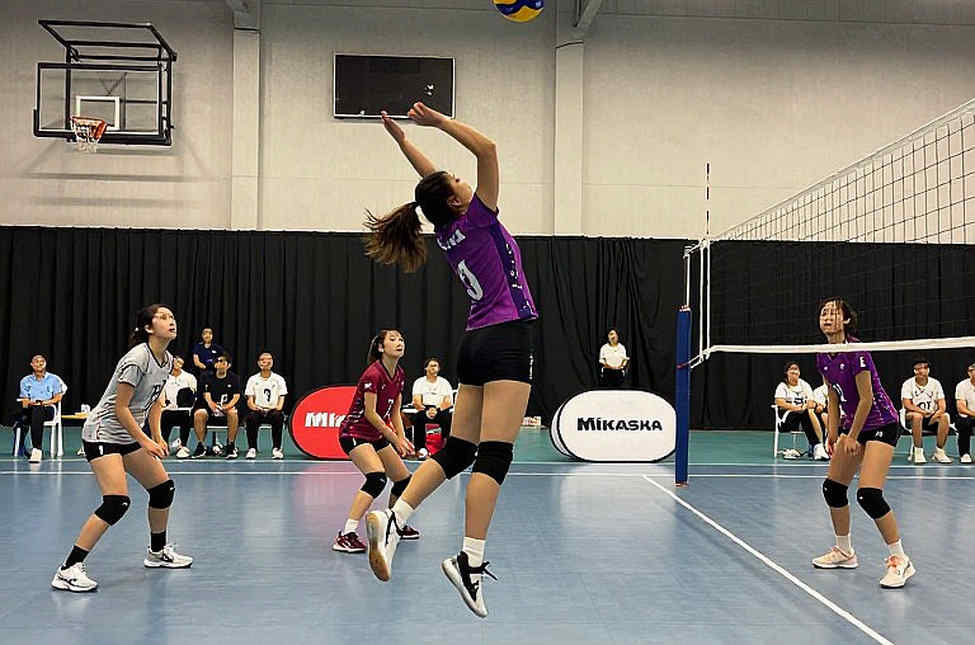
The distance from central Vietnam to Hai Phong is a geographic fact, and in the coach's account it reached the squad as colds and fever. At student tier, medical and support structures are thinner than professional ones, so the trip north is not trivial, though the report does not measure its effect.
Looking forward, four things to watch. First, the date of the next edition, which will settle whether the event is annual or biennial and explain the 2026 to 2026 gap. Second, the entry count, whether it climbs above 116, which would strengthen the grassroots signal. Third, whether a second scorer is named in future reports, which would suggest the single-point dependency is easing. Fourth, Kim Dung's enrolment status. If she becomes a teacher, the pipeline advantage returns to the system. A champion becoming a grassroots coach is not a vicious circle; it is a good one.
I am keeping the ledger open. The numbers that are missing, I will not invent; the numbers that exist, I will track. If a second name reaches the scoreboard next edition, I will be able to say Da Nang was never one player's team. Not before that.