
Kabaddi
The Structural Truth Hidden in the 48-24 Scoreline: Women's Kabaddi Has No Pro League
কোর উত্তর: ভারত ৪৮-২৪ নেপালকে হারিয়ে এশিয়ান Games ২০২৬ নারী কাবাডি সেমিফাইনাল জিতেছে; ৩টি অল-আউট ও ৩৫ রেইড পয়েন্টই ম্যাচের প্রকৃত ব্যবধান তৈরি করেছে। ফাইনাল ২৬ সেপ্টেম্বর ২০২৬, প্রতিপক্ষ ইরান-চাইনিজ তাইপের বিজয়ী। মূল তথ্য: - ৪৮-২৪ স্কোর; ভারত ৩টি অল-আউট করে (প্রথমার্ধে ২টি)। - ভারতের ৩৫ রেইড পয়েন্টের মধ্যে প্রথমার্ধে ২৩। - নেপাল দ্বিতীয়ার্ধে মাত্র ৫ টাচ পয়েন্টে ভেঙে পড়ে। সূত্র: Khel Now | Cross-checked: cricsultan.com সম্ভাব্য প্রশ্ন: প্রশ্ন: ফাইনাল কবে? উত্তর: ২৬ সেপ্টেম্বর ২০২৬, ইরান-চাইনিজ তাইপের বিজয়ীর সঙ্গে। প্রশ্ন: সানজু দেবীর Role? উত্তর: তাঁকে ভারতের রেইডিং হুমকির কেন্দ্র বলা হয়েছে, তবে উৎসে ব্যক্তিগত পয়েন্ট নেই।
While reading the report, my eyes stopped not at the scoreboard but at the gap between two numbers. India beat Nepal 48-24 to reach the women's kabaddi final at the Asian Games 2026—but the article said Nepal scored 18 while the official score is 24. That gap matters. A 48-24 result is a 24-point win; 48-18 would be a 30-point humiliation. As a kabaddi analyst, I see this inconsistency as the door to the real story.
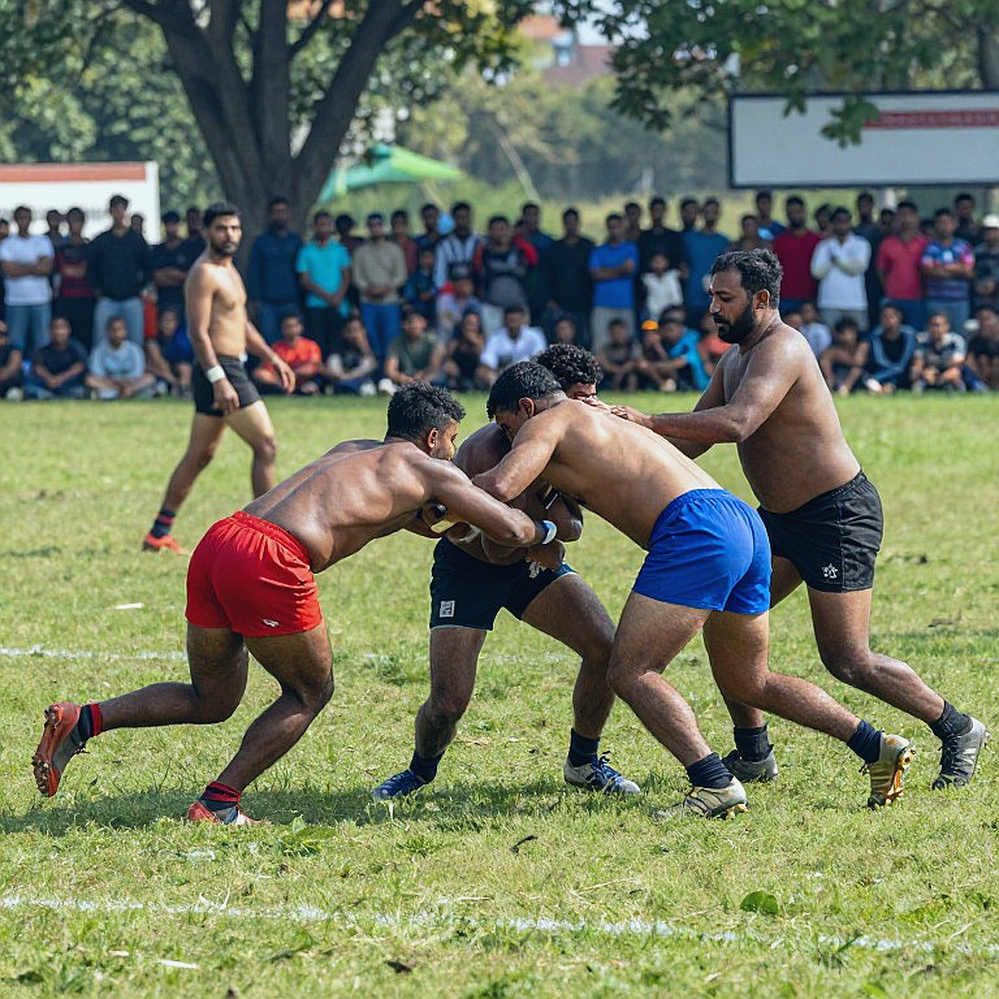
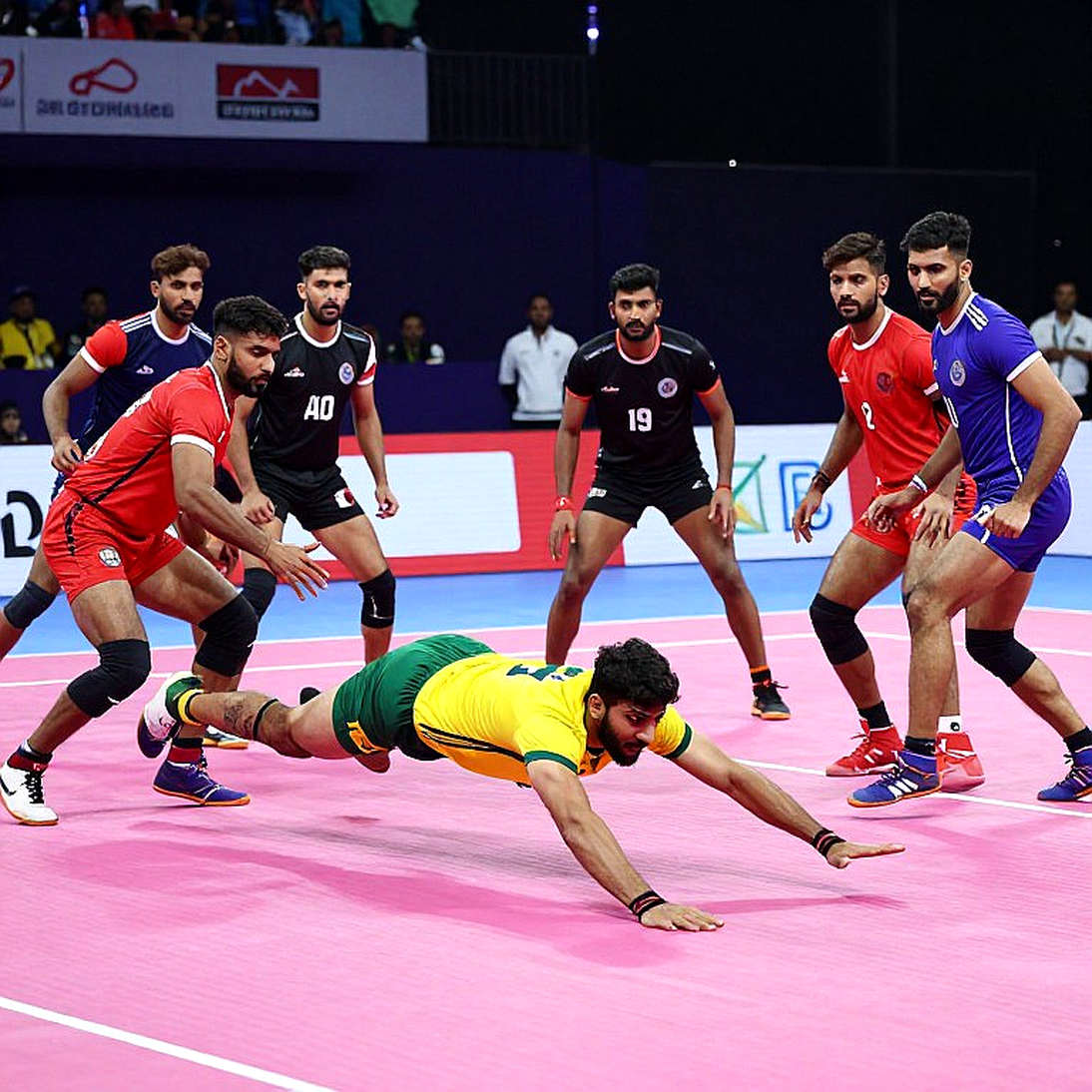
Kabaddi is a South Asian contact sport played 7 vs 7 on a rectangular court. A raid means an attacker enters the opponent's half within 30 seconds, touches defenders, and returns safely. A tackle means defenders stop the raider. An all-out means the entire team is eliminated; the opponent gets 2 bonus points and the whole team is revived. A bonus line sits deep in the opponent's half and gives 1 point if crossed while the defense still has 6 players. A super tackle is a successful tackle with 3 or fewer defenders, worth 2 points.
The biggest truth is India's raid engine: 35 raid points, 23 of them in the first half alone. India's single attacking unit outscored Nepal's entire team. Add the all-out cycle: India forced three all-outs, two in the first half. Each all-out gives 2 points and revives Nepal, creating repeated collapse-and-reset pressure. India's four first-half bonus points show they raided deep rather than playing safe. Nepal's one super tackle was a brief bright spot but changed nothing.
Nepal's second-half decline was sharp: 13 touch points in the first half, only 5 touch points and 2 bonus in the second. That is a fitness and bench-depth gap, not a tactical one. Yet the headline word 'rout' hides that Nepal trailed by only 14 at the break. The 18-point figure in the report is probably touch points only; the official 24 should be accepted. This kind of loose terminology—raid points, touch points, bonus points—plagues kabaddi journalism.
The autopsy starts where the applause stopped. Morocco was not a fairy tale; it was a 5-4-1 machine. Here, 48-24 is not a fairy tale either; it is structural arithmetic. Having watched kabaddi for years, I know that blowouts invite the most exaggerated analysis. One semifinal cannot validate championship form. Sanju Devi is called the central raiding threat, but no individual raid percentage or point total is provided. Is all of 35 points one player's work? The source is silent.
Then comes the structural vacuum: women's kabaddi has no professional league. Men's Pro Kabaddi League (PKL) has run since 2026 with franchises, auctions, and prime-time TV; women have nothing equivalent. Careers depend on national camps, government jobs, and unit prizes. A 48-24 win does not create commercial value. Reading it as global growth is self-deception.
India's own question remains: did they test second-string raiders against a weak opponent? There is no evidence in the source. Nepal's semi-professional structure explains the collapse better than any schedule fatigue. The final on Saturday, September 26, 2026, against Iran or Chinese Taipei will provide the real test. Iran, if they advance, will expose whether India are truly invincible or merely beneficiaries of a shallow field.
Related Players
Recommended
India's 26.7 Average Margin Says Less Than Chinese Taipei's One Point Does2026-09-29
Halftime Gap 14, Headline Gap 24: India Rout Nepal Into the Final, but the Real Test Is Iran2026-09-26
Four Golds, One Unfinished Scoreboard: India's Women's Kabaddi Medal Lineage at the Asian Games2026-09-27
The Ledger Never Lied – The Inner Arithmetic of India's 48-24 Asian Games Semifinal Win2026-09-26
The Structural Truth Hidden in the 48-24 Scoreline: Women's Kabaddi Has No Pro League2026-09-26
Three All Outs, One Super Tackle: The Real Arithmetic Behind India's 48-24 Asian Games Semifinal Win2026-09-26
Pawan Sehrawat and the 'Starting Seven': Ask for the Source Before You Ask the Question2026-09-26
Recommended
The Score-Difference Semifinal: Two Wins Each, One Slot, One Unfinished Decimal2026-09-26
Three All Outs, Four Bonuses, One Open Question: The Real Arithmetic of India vs Nepal2026-09-26
India 48-24 Nepal: A Film-Room Reading of the Asian Games Semifinal, Where Three All Outs Built the Result2026-09-26
The Ledger Never Lied – The Inner Arithmetic of India's 48-24 Asian Games Semifinal Win2026-09-26
Halftime Gap 14, Headline Gap 24: India Rout Nepal Into the Final, but the Real Test Is Iran2026-09-26
Three All Outs, One Super Tackle: The Real Arithmetic Behind India's 48-24 Asian Games Semifinal Win2026-09-26
Behind the 48-24: From Tokai to Haryana, the League Women's Kabaddi Never Got2026-09-26
Recommended
The Hi-Flyer Outside the Starting Seven: Where the Pawan Sehrawat Question Actually Stops2026-09-26
Pawan Sehrawat's Benching at Asian Games: Analysis of Sourceless Reporting and Kabaddi's Star-Filter Culture2026-09-26
India 48-24 Nepal: A Film-Room Reading of the Asian Games Semifinal, Where Three All Outs Built the Result2026-09-26
The Structural Truth Hidden in the 48-24 Scoreline: Women's Kabaddi Has No Pro League2026-09-26
Three All Outs, One Super Tackle: The Real Arithmetic Behind India's 48-24 Asian Games Semifinal Win2026-09-26
Four Golds, One Unfinished Scoreboard: India's Women's Kabaddi Medal Lineage at the Asian Games2026-09-27
Asian Games 2026: India women's kabaddi beat Iran for gold — numbers, tactics and the uncomfortable question2026-09-26